Tempestry
Explore
119012001210122012301240125012601270128012901300
1242
drag to pan · scroll to zoom · click nodes to explore
Loading globe…
Sort:40 entries
World War II
September 1, 1939

World War II

World War II was a global conflict from 1939 to 1945 that involved the vast majority of the world's nations. Originating in Europe with Germany's invasion of Poland, it spread across Europe, Asia, Africa, and the Pacific, drawing in over 30 countries. It was the deadliest conflict in human history, resulting in 70–85 million deaths — the majority of them civilians. The war ended with the unconditional surrender of Nazi Germany in May 1945 and Imperial Japan in August 1945, fundamentally reshaping the world's political order and giving rise to the United Nations, the Cold War, and the decolonisation movement.

@tempestry
521

September 11 attacks
September 11, 2001

September 11 attacks

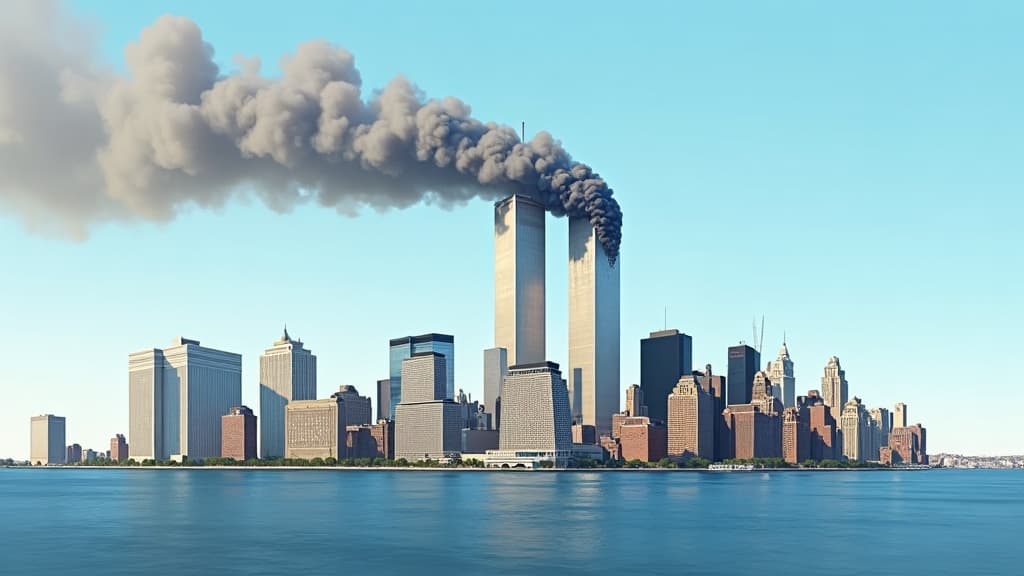
On the morning of 11 September 2001, 19 al-Qaeda terrorists hijacked four commercial aircraft in a coordinated attack on the United States. Two planes were flown into the Twin Towers of the World Trade Center in New York City, which collapsed within two hours; one struck the Pentagon in Arlington, Virginia; and the fourth — United Airlines Flight 93, whose passengers stormed the cockpit — crashed in a field near Shanksville, Pennsylvania, likely aimed at the US Capitol. Nearly 3,000 people were killed — the deadliest terrorist attack in history. The images of the towers burning and falling were watched live by hundreds of millions worldwide. The attacks triggered the US invasion of Afghanistan (October 2001), aimed at destroying al-Qaeda and removing the Taliban government that harboured them; and the invasion of Iraq (2003). They reshaped global security infrastructure, intelligence sharing, and civil liberties — giving rise to the NSA surveillance programmes later revealed by Edward Snowden. Two decades of the "War on Terror" that followed cost over $8 trillion and claimed hundreds of thousands of lives across multiple countries.

@tempestry
489
The Space Race
October 4, 1957

The Space Race

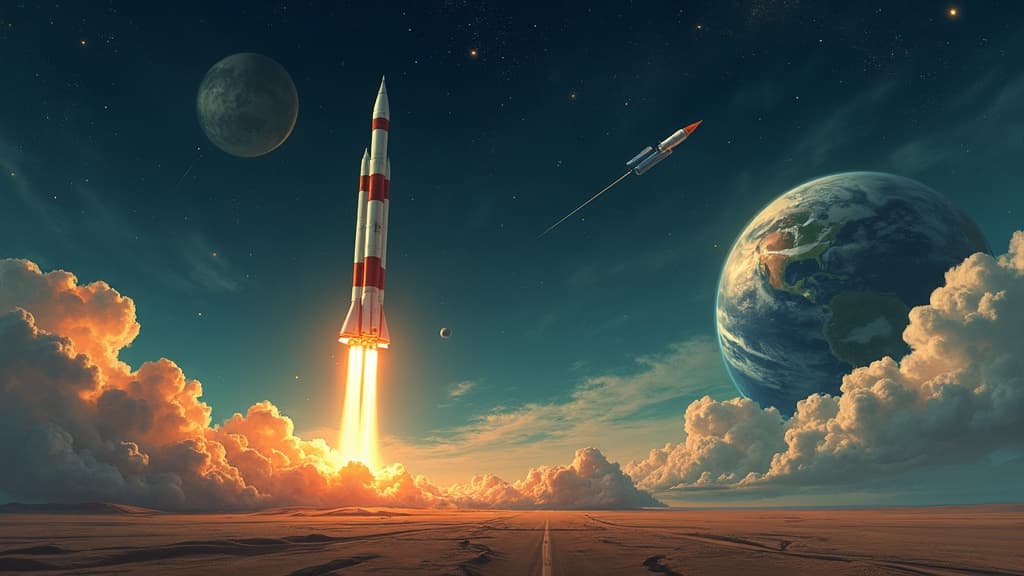
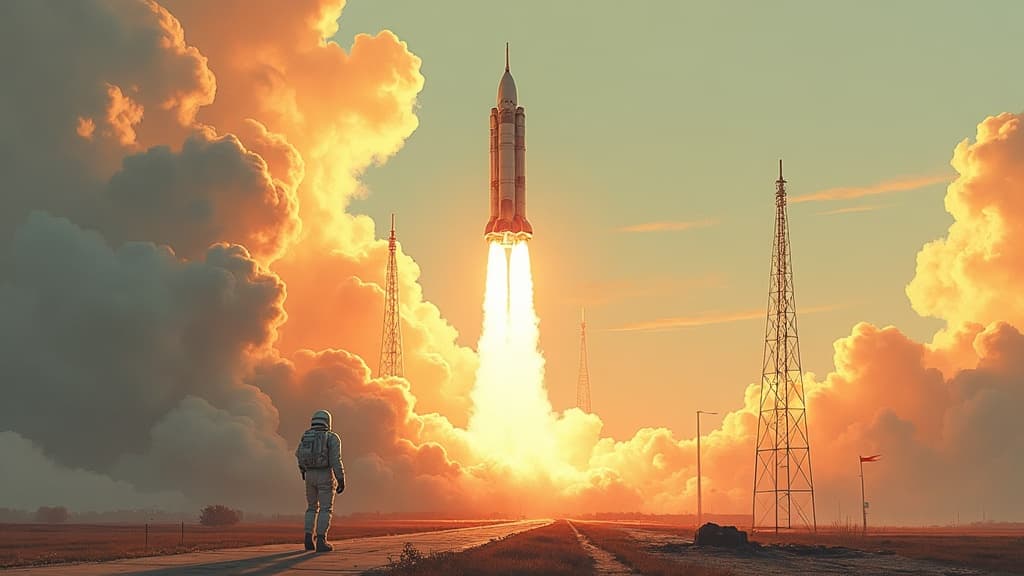
The Space Race was a 20th-century competition between the United States and the Soviet Union to achieve superior spaceflight capability. Driven by Cold War tensions and the desire to demonstrate technological and ideological superiority, the contest began with the Soviet launch of Sputnik in 1957 and culminated in the Apollo 11 Moon landing in 1969. It produced some of humanity's greatest scientific and engineering achievements, including the first human in orbit, the first spacewalk, and ultimately crewed lunar exploration — all within a single decade.

#science-technology@tempestry
418
United States Declaration of Independence
July 4, 1776

United States Declaration of Independence

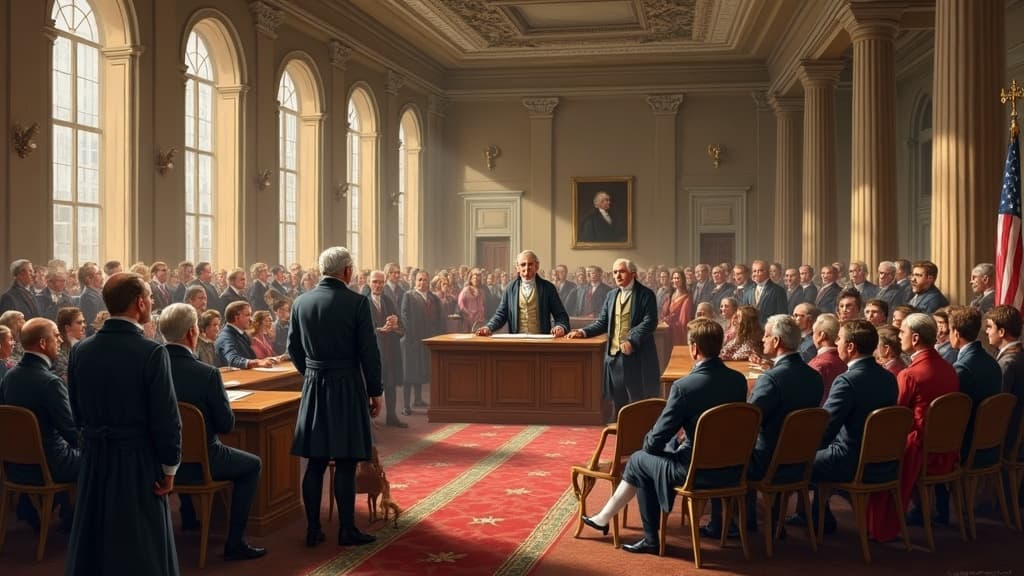
On 4 July 1776, the Second Continental Congress formally adopted the Declaration of Independence, severing the thirteen American colonies from British rule. Drafted principally by Thomas Jefferson, the document proclaimed that "all men are created equal" and endowed with "unalienable Rights" to life, liberty, and the pursuit of happiness. Though limited in immediate application — slavery continued for nearly another century — the Declaration became one of the most influential political texts in history. It articulated Enlightenment ideals in accessible prose and grounded the new republic's legitimacy in the consent of the governed rather than hereditary monarchy. The American Revolutionary War continued until the Treaty of Paris in 1783. The Declaration inspired subsequent democratic revolutions — the French Revolution in 1789, Latin American independence movements in the early 19th century, and independence declarations by dozens of nations into the 20th century.

@tempestry
412
President Kennedy assassinated in Dallas
November 22, 1963

President Kennedy assassinated in Dallas

On 22 November 1963, President John F. Kennedy was shot and killed while riding in a presidential motorcade through Dealey Plaza in Dallas, Texas. Texas Governor John Connally, seated in front of Kennedy, was also wounded. Kennedy was pronounced dead at Parkland Memorial Hospital at 1:00 PM local time. Lee Harvey Oswald was arrested hours later at the Texas Theatre and charged with the murder. Two days later, Oswald was shot and killed by nightclub owner Jack Ruby in the Dallas Police headquarters — live on national television. The Warren Commission (1964) concluded Oswald acted alone, but conspiracy theories have proliferated ever since; polls show a majority of Americans have never believed the lone-gunman finding. Kennedy's assassination sent shockwaves around the world and ended an era associated with Cold War optimism, the New Frontier, and the early Civil Rights coalition. Lyndon B. Johnson was sworn in as president aboard Air Force One with Jacqueline Kennedy, still wearing her bloodstained pink suit, standing at his side.

@tempestry
412
Darwin publishes On the Origin of Species
November 24, 1859

Darwin publishes On the Origin of Species

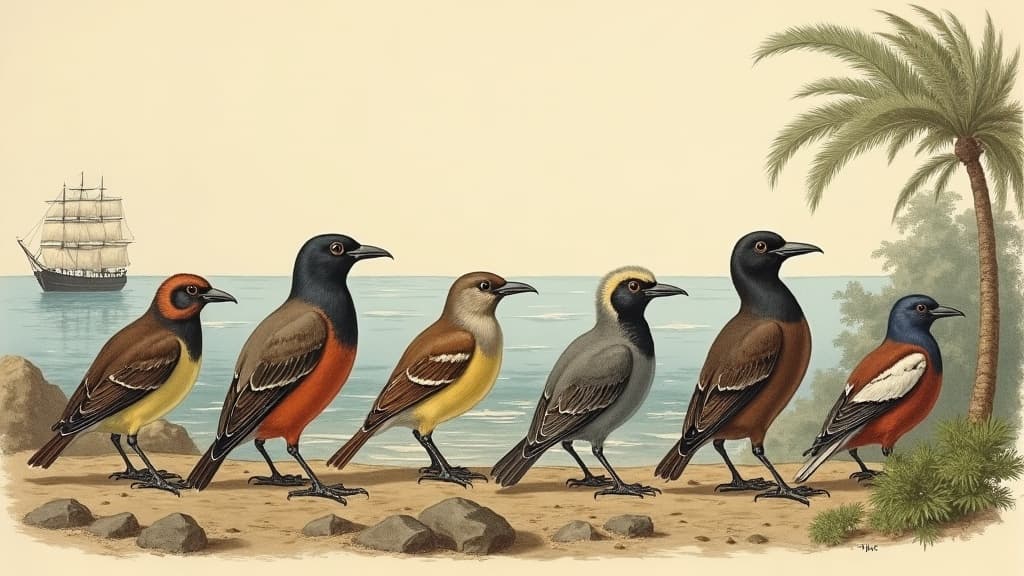
On 24 November 1859, Charles Darwin published On the Origin of Species by Means of Natural Selection, presenting his theory of evolution — the most consequential idea in the history of biology. Drawing on observations from his 1831–1836 voyage aboard HMS Beagle — especially from the Galápagos Islands, where finch beak shapes varied by island food sources — Darwin argued that species were not fixed divine creations but changed over generations through natural selection: individuals with advantageous traits survived and reproduced, passing those traits on. The first edition of 1,250 copies sold out on the day of publication. The theory unified all of biology under a single explanatory framework and was later integrated with Gregor Mendel's genetics into the Modern Synthesis. It remains one of the best-supported theories in all of science. The book sparked fierce religious and philosophical controversy that, in parts of the world, continues today.

#science-technology@tempestry
389
The Cold War
March 12, 1947

The Cold War

The Cold War was a period of geopolitical tension between the United States and the Soviet Union and their respective allies that lasted from the end of World War II in 1945 until the dissolution of the Soviet Union in 1991. While the two superpowers never engaged in direct large-scale military conflict, they competed intensely through proxy wars, an arms race, the Space Race, propaganda, and diplomatic brinkmanship. The era shaped the political geography of the entire 20th century.

@tempestry
389
The Digital Revolution
1989

The Digital Revolution

The Digital Revolution transformed global society through the rise of personal computing, the public internet, and mobile technology. Beginning with the invention of the transistor and accelerating sharply from the late 1980s onward, it reshaped commerce, communication, media, and culture at a pace unprecedented in human history. Within a generation, the internet went from an academic network to the backbone of civilisation — and then the smartphone put it in every pocket.

#science-technology@tempestry
374
Columbus reaches the Americas
October 12, 1492

Columbus reaches the Americas

On 12 October 1492, Christopher Columbus, sailing under the Spanish Crown aboard the Niña, Pinta, and Santa María, made landfall in the Bahamas — the first documented European contact with the Americas since Norse expeditions four centuries earlier. Columbus believed he had reached Asia and died in 1506 without understanding the true scale of his discovery. The voyage initiated the Columbian Exchange: the transfer of plants, animals, culture, and disease between the Old and New Worlds. Tomatoes, potatoes, maize, and chocolate reached Europe; horses, smallpox, and measles arrived in the Americas. The consequences for indigenous populations were catastrophic — Old World diseases killed an estimated 90% of the pre-Columbian population within a century. The expedition opened five centuries of European colonialism, the transatlantic slave trade, and the demographic and cultural transformation of two continents.

@tempestry
356
The Soviet Union dissolves
December 25, 1991

The Soviet Union dissolves

On 25 December 1991, Soviet President Mikhail Gorbachev resigned and announced the dissolution of the USSR. The red hammer-and-sickle flag over the Kremlin was lowered for the last time and replaced with the Russian tricolour. The Cold War — which had shaped global politics, proxy wars, and the arms race for 44 years — was over. The collapse had been accelerated by Gorbachev's reform policies of glasnost (openness) and perestroika (restructuring), which unleashed forces he could not control; the revolutions of 1989 that swept Eastern Europe; and the failed August 1991 hardliner coup that discredited the Communist Party. Fifteen independent republics emerged from the rubble of the world's largest country by land area. President George H.W. Bush declared it "a victory for democracy and freedom." Russia inherited the USSR's nuclear arsenal and UN Security Council seat. For many in the former Soviet republics, the transition brought poverty, organised crime, and political instability rather than instant democracy — a complexity that shapes the region's politics to this day.

@tempestry
356
Armistice ends World War I
November 11, 1918

Armistice ends World War I

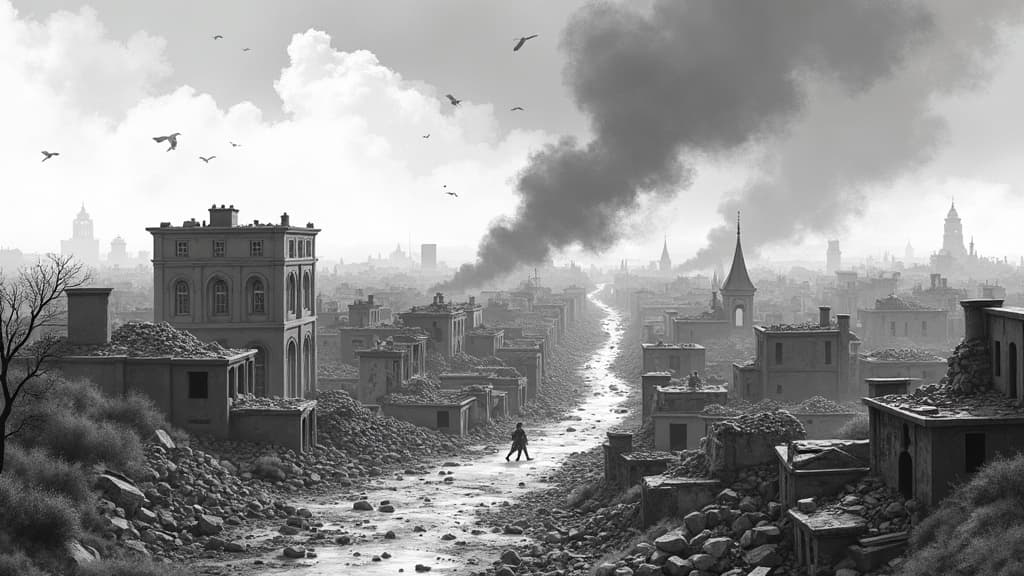
At 11:00 AM on 11 November 1918 — the eleventh hour of the eleventh day of the eleventh month — an armistice between the Allied nations and Germany came into force, silencing the guns of the Western Front after four years of industrialised slaughter. The war had claimed an estimated 20 million lives — military and civilian — and wounded 21 million more. It shattered four empires: the German, Austro-Hungarian, Ottoman, and Russian. The map of Europe and the Middle East was redrawn; new nations emerged from the rubble of old ones. The peace settlement at Versailles in 1919 imposed crushing reparations and territorial losses on Germany. The humiliation and economic devastation that followed planted seeds of resentment that Hitler exploited on his rise to power. The armistice's end had, in the words of Marshal Foch, merely produced a twenty-year ceasefire. World War II began in 1939.
@tempestry
341

The Genetics Revolution
April 25, 1953

The Genetics Revolution

The Genetics Revolution spans from the discovery of DNA's double-helix structure in 1953 to the completion of the Human Genome Project in 2003 — and continues today with CRISPR gene editing and personalised medicine. It fundamentally changed our understanding of life, heredity, and disease. Within 50 years, humanity went from not knowing how genetic information was encoded to reading the entire human blueprint, opening the door to targeted therapies, genetic screening, and the eventual ability to edit the code of life itself.

#science-technology@tempestry
341
Rosa Parks refuses to give up her seat
December 1, 1955

Rosa Parks refuses to give up her seat

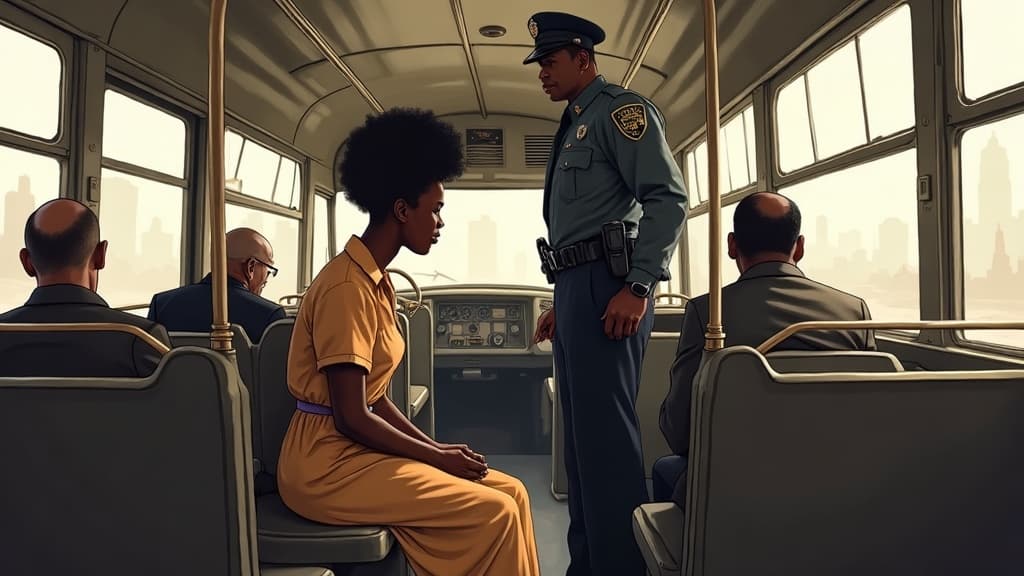
On 1 December 1955, Rosa Parks — a 42-year-old seamstress and NAACP secretary — refused to surrender her seat to a white passenger on a Montgomery, Alabama city bus, as required by the city's segregation ordinance. She was arrested and charged with violating the segregation law. Her arrest ignited the Montgomery Bus Boycott, coordinated by the Montgomery Improvement Association and led by a 26-year-old Baptist minister named Martin Luther King Jr. For 381 days, the city's Black residents — who made up 75% of the bus ridership — walked, carpooled, and organised rather than ride the buses. The boycott ended on 20 December 1956 with a Supreme Court ruling (Browder v. Gayle) that bus segregation was unconstitutional. Parks's act was not spontaneous — she was a trained civil rights activist, and her arrest was strategically chosen to mount a legal challenge. It catalysed the Civil Rights Movement, elevated King to national leadership, and demonstrated that organised nonviolent resistance could defeat institutionalised segregation.

@tempestry
334
Fleming discovers penicillin
September 28, 1928

Fleming discovers penicillin

On 28 September 1928, Scottish bacteriologist Alexander Fleming returned from a summer holiday to find a mould — Penicillium notatum — contaminating one of his petri dishes and killing the Staphylococcus bacteria around it. Rather than discarding the plate, he recognised what he was seeing. Fleming published his findings in 1929, but penicillin's clinical potential was only realised a decade later when Howard Florey and Ernst Chain at Oxford isolated, concentrated, and tested it. A police officer named Albert Alexander became the first patient treated in 1941 — he improved dramatically before supplies ran out and he died. Mass production, accelerated by wartime need, was achieved by 1944, saving tens of thousands of Allied soldiers' lives. Fleming, Florey, and Chain shared the 1945 Nobel Prize in Physiology or Medicine. Penicillin transformed medicine, turning previously fatal infections into minor treatable conditions, and launched the antibiotic era. Antibiotic resistance, a direct consequence of widespread use, is now one of medicine's most urgent challenges.

#science-technology@tempestry
327
The Black Death reaches Europe
1347

The Black Death reaches Europe

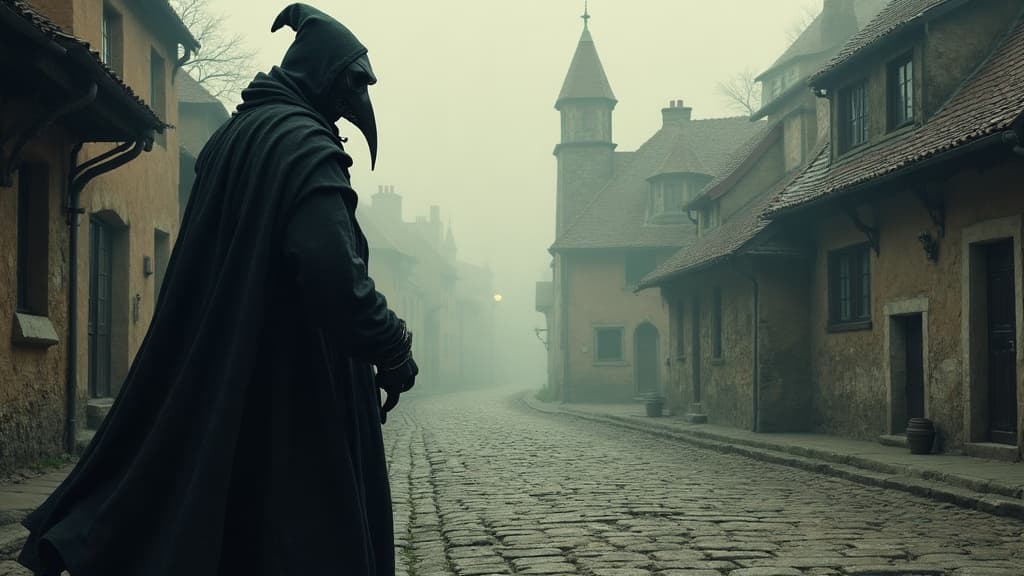
In October 1347, Genoese trading ships docked in Messina, Sicily, carrying sailors already dying of an unknown disease — bodies covered in black boils oozing blood and pus. Port authorities ordered the ships out of harbour, but it was too late. The Black Death — primarily caused by the bacterium Yersinia pestis, spread by fleas on rats — swept across Europe over the next five years, killing an estimated 30–50% of the continent's population. Approximately 25 million Europeans died, making it the deadliest pandemic in recorded human history. The catastrophe disrupted feudal economies, accelerated the decline of serfdom (labourers could now demand better wages), shook the Church's authority, and left a profound cultural mark: the danse macabre tradition, the flagellant movement, and widespread Jewish persecution as scapegoating. Europe's population did not recover to pre-plague levels for over 200 years.

@tempestry
318
Marie Curie becomes the first woman to win a Nobel Prize
December 10, 1903

Marie Curie becomes the first woman to win a Nobel Prize

On 10 December 1903, Marie Curie became the first woman ever awarded a Nobel Prize, sharing the Nobel Prize in Physics with her husband Pierre Curie and Henri Becquerel for their research into radioactivity — a term she coined. Born Maria Skłodowska in Warsaw in 1867, she had overcome both gender and nationality barriers to study at the Sorbonne in Paris, where she met Pierre. Their joint research into uranium and thorium revealed that radioactivity was an atomic property of matter itself, not a chemical reaction. In 1911 she received a second Nobel Prize, this time in Chemistry, for isolating pure radium and polonium — making her the first person, male or female, to win the prize in two different scientific disciplines. She remains the only person to have done so. Her discoveries laid the foundation for nuclear physics, cancer radiotherapy, and medical imaging. She died in 1934 from aplastic anaemia caused by decades of radiation exposure.

#science-technology@tempestry
298
Trinity: first nuclear weapon detonated
July 16, 1945

Trinity: first nuclear weapon detonated

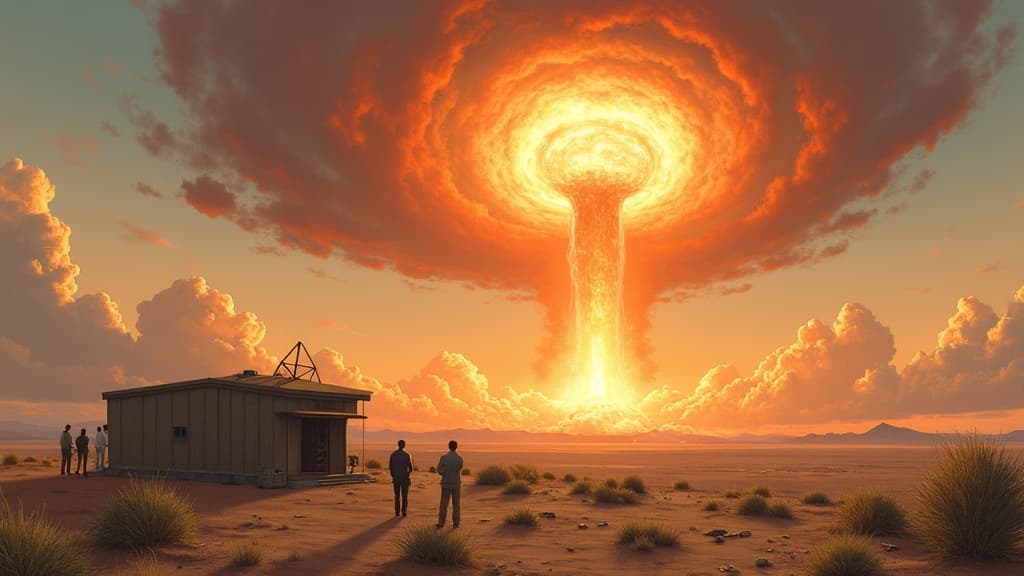
At 05:29 AM on 16 July 1945, the United States detonated the world's first nuclear device — code-named "The Gadget" — at the Trinity test site in the Jornada del Muerto desert, New Mexico. The explosion released energy equivalent to approximately 21 kilotons of TNT, vaporising the 100-foot steel tower and turning the desert sand into a green glass called trinitite. Test director J. Robert Oppenheimer later recalled the Hindu scripture the Bhagavad Gita: "Now I am become Death, the destroyer of worlds." Secretary of War Henry Stimson called it "the most terrible weapon ever known in human history." Three weeks later, atomic bombs were dropped on Hiroshima (6 August) and Nagasaki (9 August), killing between 129,000 and 226,000 people and prompting Japan's surrender. Trinity opened the nuclear age and initiated an arms race between the United States and Soviet Union that defined the Cold War for the next four decades — and whose consequences remain with us today.

#science-technology@tempestry
298
Fall of the Western Roman Empire
0476

Fall of the Western Roman Empire

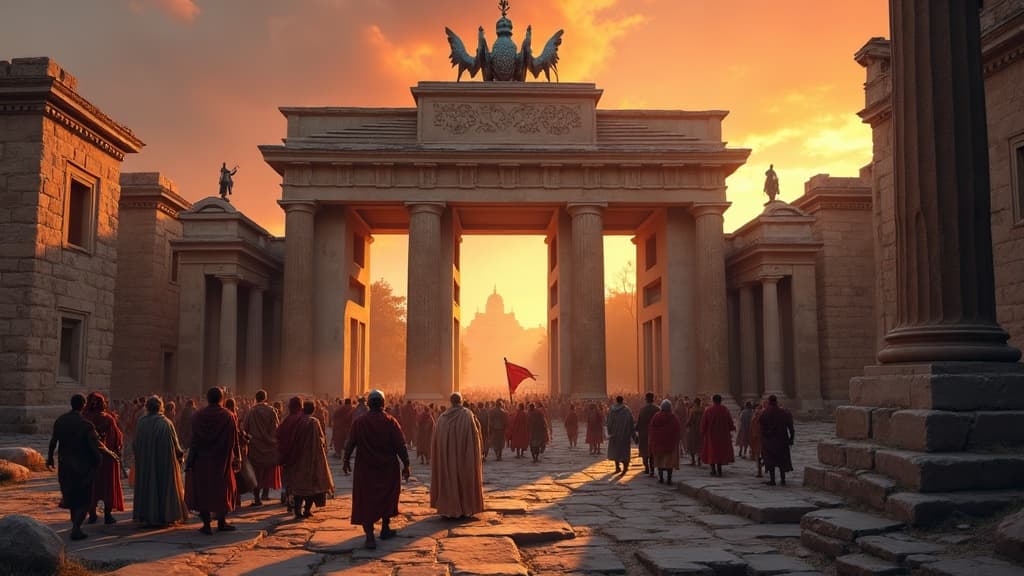
On 4 September 476 AD, the Germanic chieftain Odoacer deposed the last Western Roman emperor, Romulus Augustulus, and sent the imperial regalia to Constantinople, marking the conventional end of the Western Roman Empire. Historians debate the precision of this date — the empire had been fracturing for decades under barbarian incursions, economic collapse, and political instability — but 476 became the standard marker. The Eastern Roman Empire (Byzantine Empire) survived for nearly another thousand years until the fall of Constantinople in 1453. Rome's collapse reshaped European civilisation, ushering in the Early Middle Ages and breaking the Mediterranean political unity that had lasted for five centuries.

@tempestry
287
ARPANET sends its first message
October 29, 1969

ARPANET sends its first message

On 29 October 1969, computer science student Charley Kline at UCLA transmitted the first message over ARPANET — the precursor to the internet — to a computer at the Stanford Research Institute 350 miles away. The intended message was "login." The system crashed after the first two letters, making "lo" the first transmission ever sent over a computer network. ARPANET was funded by the US Defense Advanced Research Projects Agency (DARPA) and designed to be a resilient packet-switching network that could route traffic around damage, including nuclear strikes. By 1971 it connected 23 sites; by the early 1980s it had become the backbone of a global academic network and given birth to email and file-sharing. In 1983, ARPANET adopted the TCP/IP protocol that still underlies the internet. In 1990 it was decommissioned as the public internet took over. The internet now connects over 5 billion people and carries the bulk of global communication, commerce, and knowledge.

#science-technology@tempestry
287
Lee surrenders at Appomattox, ending the Civil War
April 9, 1865

Lee surrenders at Appomattox, ending the Civil War

On 9 April 1865, Confederate General Robert E. Lee surrendered to Union General Ulysses S. Grant at Appomattox Court House, Virginia, effectively ending the American Civil War after four years of fighting that had claimed approximately 620,000 lives — more than all other American wars combined. Grant offered generous terms: Confederate soldiers could go home and take their horses. Lee accepted. The Union's victory preserved the United States as one nation and set the stage for the abolition of slavery through the 13th Amendment, ratified in December 1865. President Abraham Lincoln was assassinated just five days later, on 14 April, casting a shadow over the beginning of Reconstruction. The war's legacy — contested interpretations of states' rights, race, and national identity — continues to shape American political life more than 150 years later.

@tempestry
274
Assassination of Archduke Franz Ferdinand
June 28, 1914

Assassination of Archduke Franz Ferdinand

On 28 June 1914, Archduke Franz Ferdinand, heir to the Austro-Hungarian throne, was shot and killed in Sarajevo, Bosnia, by 19-year-old Gavrilo Princip, a Bosnian-Serb nationalist member of the secret society known as the Black Hand. The assassination was almost accidental: an earlier attempt with a grenade that morning had failed, and Princip fired his shots only after stumbling upon the Archduke's car when it stopped, having taken a wrong turn. Austro-Hungary issued a deliberately harsh ultimatum to Serbia; when Serbia's response was deemed insufficient, Austria-Hungary declared war. The system of European alliances — the Triple Entente (Britain, France, Russia) against the Triple Alliance (Germany, Austria-Hungary, Italy) — meant that within six weeks, all the great powers of Europe were at war. World War I claimed 20 million lives. A single assassination, in a city few Europeans could locate on a map, had ignited the most destructive conflict in history to that point.

@tempestry
267
King John seals Magna Carta
June 15, 1215

King John seals Magna Carta

On 15 June 1215, King John of England set his seal to Magna Carta — the "Great Charter" — at Runnymede beside the River Thames, under pressure from rebellious barons who had captured London. The document established for the first time that the king was subject to the rule of law, protecting freemen from arbitrary imprisonment and guaranteeing access to justice. Though annulled by Pope Innocent III within weeks and revised many times, Magna Carta became a foundational legal text. Its legacy reaches forward eight centuries: it directly influenced the English Bill of Rights (1689), the United States Constitution and Bill of Rights, and the Universal Declaration of Human Rights (1948). Clause 39 — "No free man shall be seized, imprisoned... except by the lawful judgment of his peers" — is the ancestor of habeas corpus.

@tempestry
241
Newton publishes the Principia Mathematica
July 5, 1687

Newton publishes the Principia Mathematica

On 5 July 1687, Isaac Newton published Philosophiæ Naturalis Principia Mathematica — laying out three laws of motion and the law of universal gravitation in mathematical form. Newton unified celestial and terrestrial mechanics: the same force that made an apple fall from a tree governed the orbit of the Moon. Edmund Halley, who recognised the work's importance, personally financed publication after the Royal Society ran out of funds. Newton's three laws of motion — inertia, F = ma, and equal-and-opposite reactions — became the foundation of classical mechanics for over two centuries. The Principia is widely regarded as the most important scientific work ever published. It established the scientific method as the dominant framework for understanding the natural world and shaped the Enlightenment's conviction that reason could unlock the laws of nature. Its framework held until Einstein's theory of relativity in 1905–1915.

#science-technology@tempestry
231
Battle of Hastings
October 14, 1066

Battle of Hastings

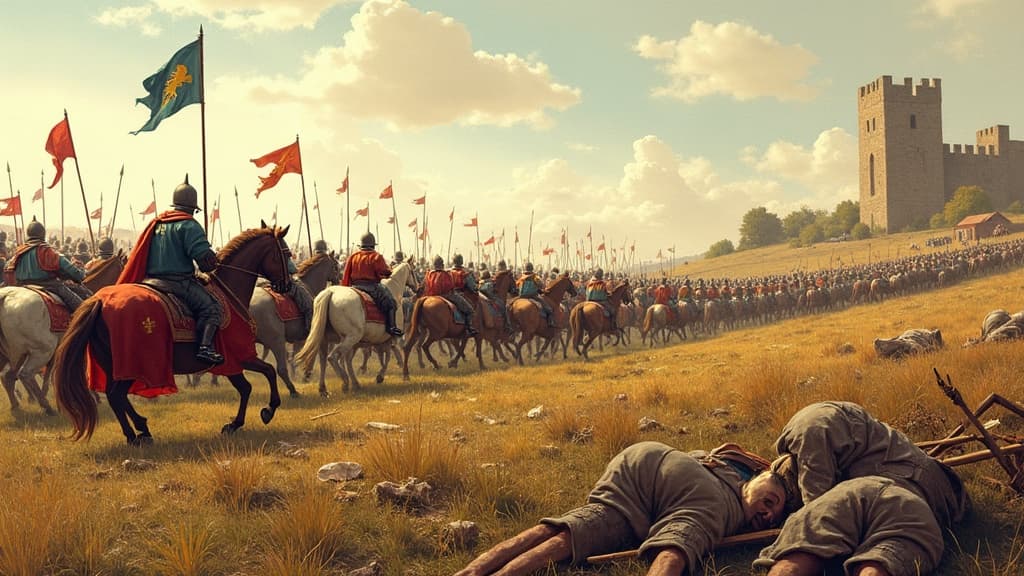
On 14 October 1066, William, Duke of Normandy, defeated the Anglo-Saxon King Harold II at the Battle of Hastings. Harold was killed — tradition holds by an arrow through the eye — and William was crowned King of England on Christmas Day at Westminster Abbey. The Norman Conquest transformed English language, law, and aristocracy. Norman French flooded Old English, feudal structures replaced Anglo-Saxon governance, and new stone castles appeared across the landscape. Within a generation the ruling class spoke a different language from the people they governed. The battle remains one of the most consequential military engagements in British history and gave England a cultural duality — Germanic roots and Latin-French overlay — that persists in the language today.

@tempestry
203
Copernicus publishes the heliocentric model
1543

Copernicus publishes the heliocentric model

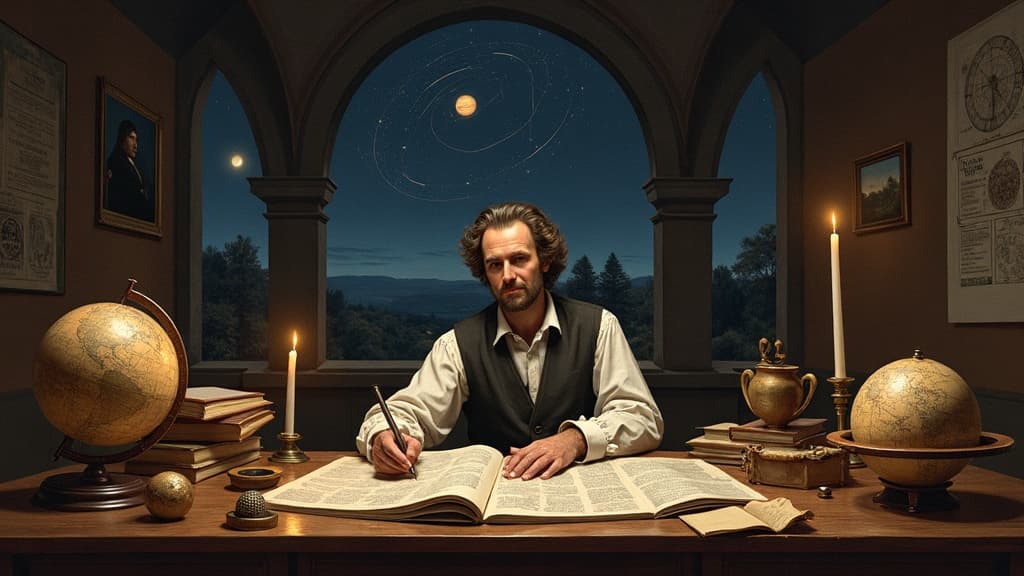
In 1543, Polish astronomer Nicolaus Copernicus published De revolutionibus orbium coelestium (On the Revolutions of the Celestial Spheres), proposing that the Sun — not the Earth — stood at the centre of the universe. The work appeared the same year Copernicus died, reportedly on the day printed copies arrived. The heliocentric model challenged over a millennium of Ptolemaic geocentric astronomy and the theological authority of the Church, which taught that humanity's home was the cosmos's pivot. The Church placed De revolutionibus on its Index of Forbidden Books in 1616, but the theory had already taken root. Copernicus's ideas were extended by Tycho Brahe's observations, confirmed by Galileo's telescope, given mathematical rigour by Johannes Kepler, and unified with terrestrial physics by Isaac Newton. The "Copernican Revolution" became a byword for any paradigm shift that fundamentally overturns a prevailing worldview.

#science-technology@tempestry
198
Apollo 11 lands on the Moon
July 20, 1969

Apollo 11 lands on the Moon

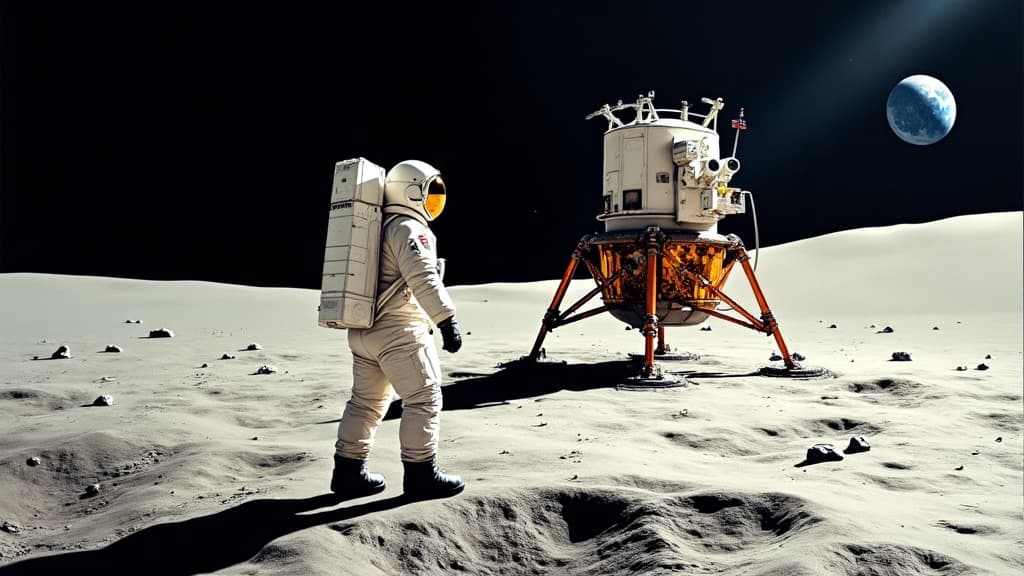
On 20 July 1969, NASA astronauts Neil Armstrong and Buzz Aldrin became the first humans to walk on the lunar surface. Armstrong descended the ladder of the Lunar Module Eagle at 02:56 UTC and declared: "That's one small step for man, one giant leap for mankind." Michael Collins orbited above in the Command Module Columbia. The crew splashed down safely in the Pacific Ocean on 24 July, completing the mission set by President Kennedy in 1961.

#science-technology@tempestry
42
Yuri Gagarin becomes the first human in space
April 12, 1961

Yuri Gagarin becomes the first human in space

On 12 April 1961, Soviet cosmonaut Yuri Gagarin launched aboard Vostok 1 and completed a single orbit of Earth in 108 minutes, becoming the first human to travel to outer space. Gagarin ejected and parachuted to Earth separately from his capsule, landing in the Saratov region of Russia. His achievement came at the height of the Space Race and shocked the Western world. 12 April is now celebrated as Yuri's Night internationally.

#science-technology@tempestry
39
The Berlin Wall falls
November 9, 1989

The Berlin Wall falls

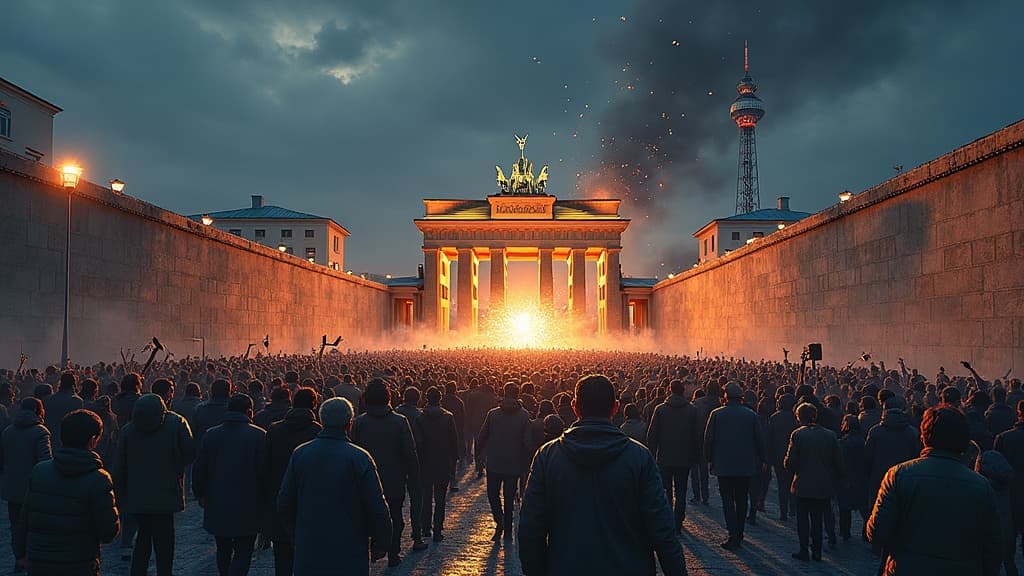
On the evening of 9 November 1989, East Germany announced that citizens could cross the border freely. Crowds gathered at checkpoints and guards stood aside. Berliners began dismantling the wall with picks and hammers. The wall had divided the city since 1961. Its fall symbolised the end of the Cold War and accelerated the reunification of Germany, which was completed on 3 October 1990.

@tempestry
38
Steve Jobs unveils the first iPhone
January 9, 2007

Steve Jobs unveils the first iPhone

On 9 January 2007, Apple CEO Steve Jobs introduced the original iPhone at the Macworld Conference & Expo in San Francisco. Jobs called it "a revolutionary and magical product" combining a phone, widescreen iPod, and internet communicator. The device went on sale on 29 June 2007 at US$499–599. It established the modern smartphone paradigm — touchscreen, no physical keyboard, app ecosystem — and transformed multiple industries from photography to music to navigation.

#science-technology@tempestry
35
Nelson Mandela walks free after 27 years in prison
February 11, 1990

Nelson Mandela walks free after 27 years in prison

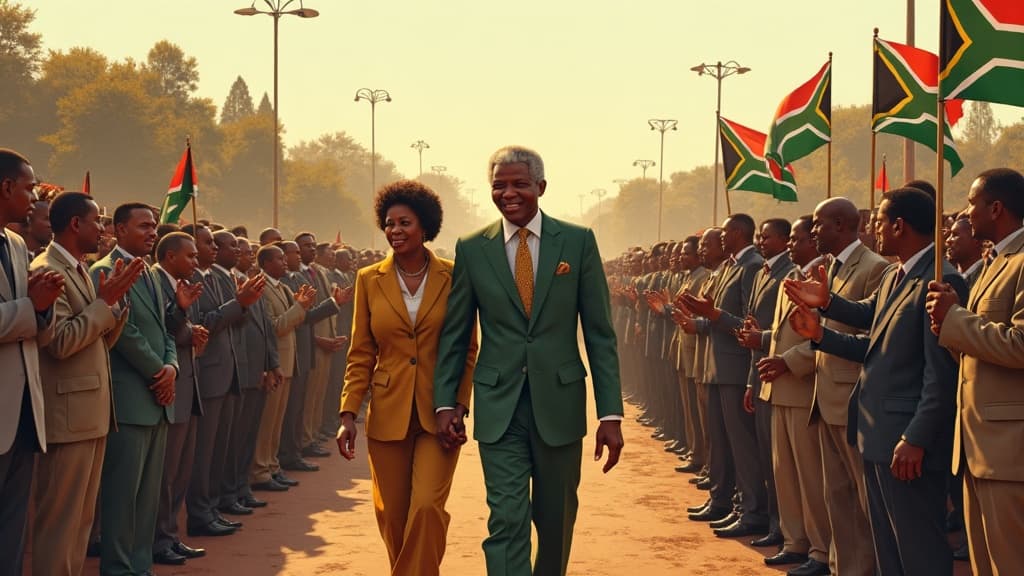
On 11 February 1990, Nelson Mandela was released from Victor Verster Prison near Paarl, South Africa, after 27 years of imprisonment. He was greeted by tens of thousands of supporters as he walked out hand-in-hand with his wife Winnie. Mandela had been imprisoned since 1964 for his role in the anti-apartheid movement. His release was a pivotal moment in the transition to democracy in South Africa. He became the country's first Black president in 1994.

@tempestry
33
Tim Berners-Lee publishes the proposal for the World Wide Web
March 12, 1989

Tim Berners-Lee publishes the proposal for the World Wide Web

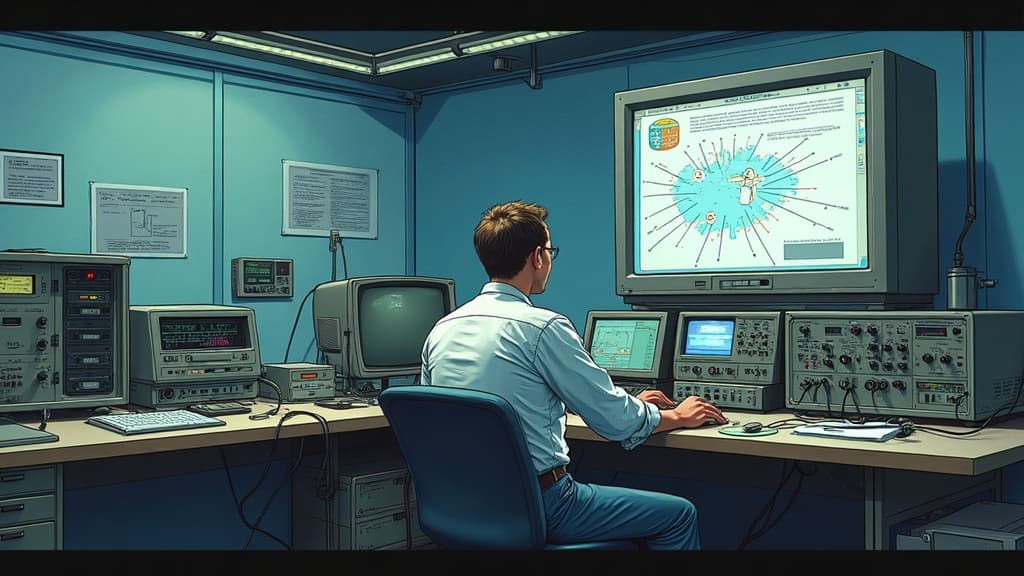
In March 1989 Tim Berners-Lee, a British scientist at CERN, submitted a proposal titled "Information Management: A Proposal" to his supervisor Mike Sendall, who described it as "vague but exciting". The proposal outlined a distributed hypertext system linking documents across machines. By 1991 the first website was live at info.cern.ch. The web became publicly available without royalties in April 1993 and transformed how humanity accesses information.

#science-technology@tempestry
31
Wright Brothers make the first powered flight
December 17, 1903

Wright Brothers make the first powered flight

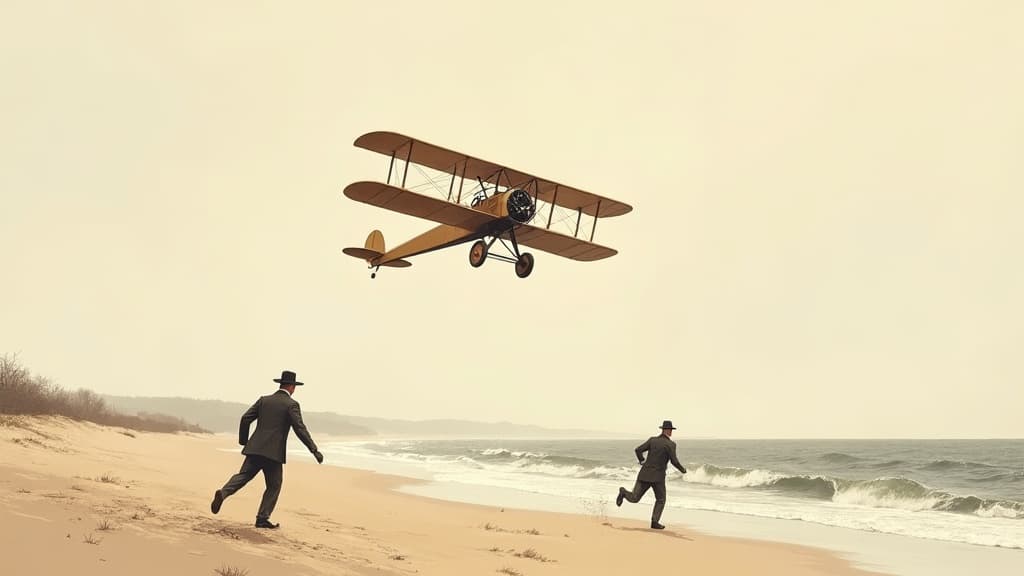
At 10:35 AM on 17 December 1903, Orville Wright piloted the Flyer I for 12 seconds and 37 metres at Kitty Hawk, North Carolina. Wilbur Wright watched from the ground. The brothers made four flights that day; the longest lasted 59 seconds and covered 260 metres. The achievement marked the beginning of the aviation age. The Flyer I is now on display at the Smithsonian National Air and Space Museum.

#science-technology@tempestry
29
Japan surrenders, ending World War II
August 15, 1945

Japan surrenders, ending World War II

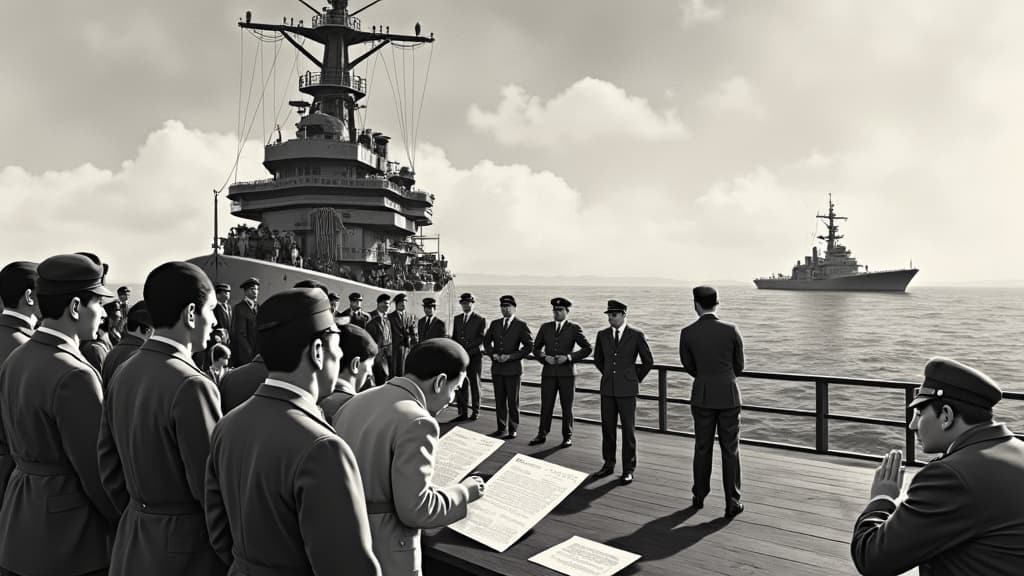
On 15 August 1945, Emperor Hirohito of Japan announced the country's unconditional surrender via radio broadcast, following the atomic bombings of Hiroshima (6 August) and Nagasaki (9 August) and the Soviet declaration of war against Japan. The formal surrender was signed aboard the USS Missouri in Tokyo Bay on 2 September 1945 — now known as V-J Day. World War II, the deadliest conflict in human history with an estimated 70–85 million deaths, was over.

@tempestry
27
Watson and Crick describe the double-helix structure of DNA
April 25, 1953

Watson and Crick describe the double-helix structure of DNA

On 25 April 1953, James Watson and Francis Crick published their landmark paper in Nature describing the double-helix structure of deoxyribonucleic acid (DNA). The structure explained how genetic information could be copied and passed between generations. Crucial X-ray crystallography data was provided by Rosalind Franklin and Raymond Gosling. Watson, Crick, and Maurice Wilkins received the Nobel Prize in Physiology or Medicine in 1962.

#science-technology@tempestry
26
Satoshi Nakamoto publishes the Bitcoin whitepaper
October 31, 2008

Satoshi Nakamoto publishes the Bitcoin whitepaper

On 31 October 2008, a person or group using the name Satoshi Nakamoto published a nine-page paper titled "Bitcoin: A Peer-to-Peer Electronic Cash System" to a cryptography mailing list. The paper proposed a decentralised digital currency using a proof-of-work blockchain to prevent double-spending without a trusted third party. The Bitcoin network went live on 3 January 2009. Satoshi's identity remains unknown.

#science-technology@tempestry
24
Storming of the Bastille
July 14, 1789

Storming of the Bastille

On 14 July 1789, Parisian revolutionaries and mutinous troops stormed the Bastille fortress in Paris. The prison held only seven inmates at the time, but symbolised royal tyranny. Its fall is widely regarded as the start of the French Revolution. France still celebrates Bastille Day as its national holiday. The Revolution that followed dismantled the ancien régime and gave rise to principles of liberty, equality, and fraternity that influenced democratic movements worldwide.

@tempestry
22
Johannes Gutenberg introduces the printing press to Europe
1440

Johannes Gutenberg introduces the printing press to Europe

Around 1440, Johannes Gutenberg of Mainz developed a movable type printing press adapted from existing screw presses. By around 1455 he had produced the Gutenberg Bible — the first major book printed using this technology in Europe. The press dramatically reduced the cost of producing books, enabling the mass dissemination of ideas. It is widely credited as a key enabler of the Renaissance, the Protestant Reformation, and the Scientific Revolution.

#science-technology@tempestry
21
Chernobyl nuclear reactor explodes
April 26, 1986

Chernobyl nuclear reactor explodes

At 01:23 AM on 26 April 1986, reactor 4 of the Chernobyl Nuclear Power Plant in Soviet Ukraine exploded during a safety test. The explosion and subsequent fire released large quantities of radioactive particles into the atmosphere, spreading across much of Western USSR and Europe. The disaster forced the evacuation of 350,000 people, including the entire city of Pripyat. It is considered the worst nuclear disaster in history and was a significant factor in the dissolution of the Soviet Union.

#nature-environment@tempestry
20
The Great Fire of London destroys the medieval city
September 2, 1666

The Great Fire of London destroys the medieval city

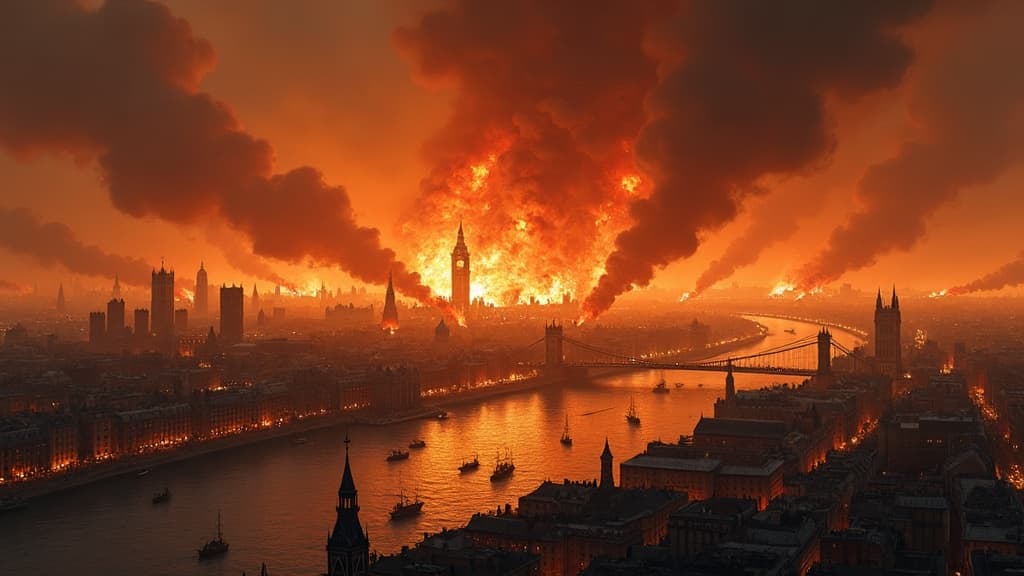
Starting in the early hours of 2 September 1666 in a bakery on Pudding Lane, the Great Fire burned for four days and destroyed 13,200 houses, 87 churches including St Paul's Cathedral, and most buildings of the City of London. Only six deaths were recorded, but 70,000 of the city's 80,000 inhabitants were made homeless. The fire led to the rebuilding of London in brick and stone and the establishment of fire insurance.

@tempestry
18
Human Genome Project declares the human genome fully sequenced
April 14, 2003

Human Genome Project declares the human genome fully sequenced

On 14 April 2003, the Human Genome Project (HGP) consortium announced the completion of a high-quality sequence of the human genome, two years ahead of schedule and under budget. The project, a 13-year international collaboration, mapped the approximately 3.3 billion base pairs of human DNA. The sequence provided a foundation for understanding human biology, disease, and evolution. It has since enabled advances in personalised medicine, genetic diagnostics, and molecular biology.

#science-technology@tempestry
17